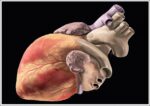
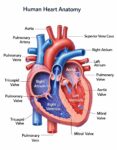
The human heart, about fist-sized and nestled in the mediastinum behind the sternum, has a pointed apex at the left fifth intercostal space and base at the second rib, with…
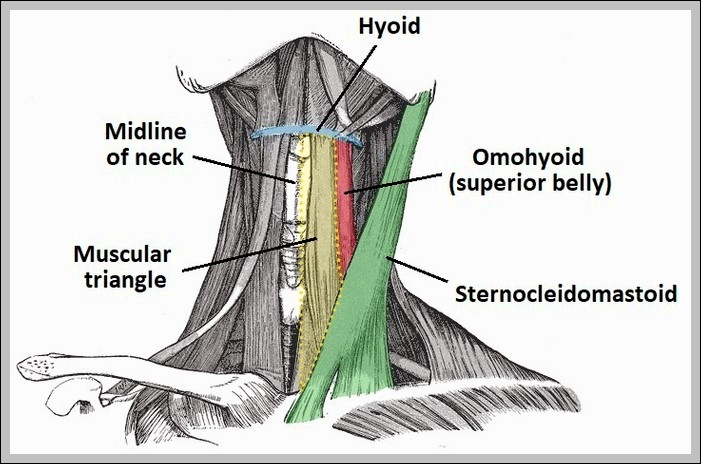
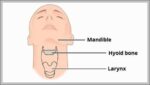
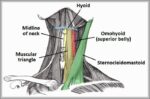
The hyoid bone parts include body (central, C3 level), greater horns (posterior/lateral projections for muscle/ligament attachments), lesser horns (small superior projections for stylohyoid ligament). It floats, anchored by supra/infrahyoid muscles.
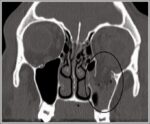
The CT Scan of a Blowout Fracture of the Inferior Wall diagram typically shows orbital floor disruption with herniation of inferior rectus or orbital fat into the maxillary sinus, often…
Heart valves ensure one-way blood flow through precisely timed opening and closing. Atrioventricular valvesthe tricuspid on the right and mitral on the lefthang from chordae tendineae anchored to papillary muscles,…
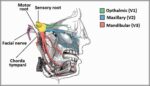
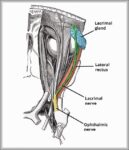
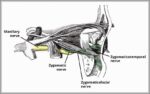
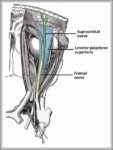
Lacrimal nerve (V1 branch) enters orbit via superior orbital fissure, runs superolateral, supplies lacrimal gland (parasympathetic hitchhike from facial via pterygopalatine ganglion), conjunctiva, upper eyelid skin. It communicates with zygomatic…
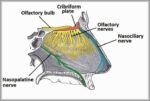
The infratrochlear nerve (terminal branch of nasociliary, V1) exits orbit below trochlea, supplies sensation to medial upper eyelid, caruncle, lacrimal sac, root of nose, and skin between eye and nose…
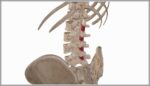
The Ligaments of the Lumbar Spine diagram displays the strong bands that hold the lower vertebrae togetheranterior and posterior longitudinal, ligamentum flavum, interspinous, supraspinous, and others. Seeing them all in…
An immune system diagram illustrating clonal selection of B cells explains how specific antibodies are produced. It shows a diverse population of B cells, each with a unique receptor, and…
Male chromosomes consist of 46 total, including 22 autosomal pairs and one X and one Y sex chromosome determining maleness via SRY gene triggering testicular development, with Y carrying few…
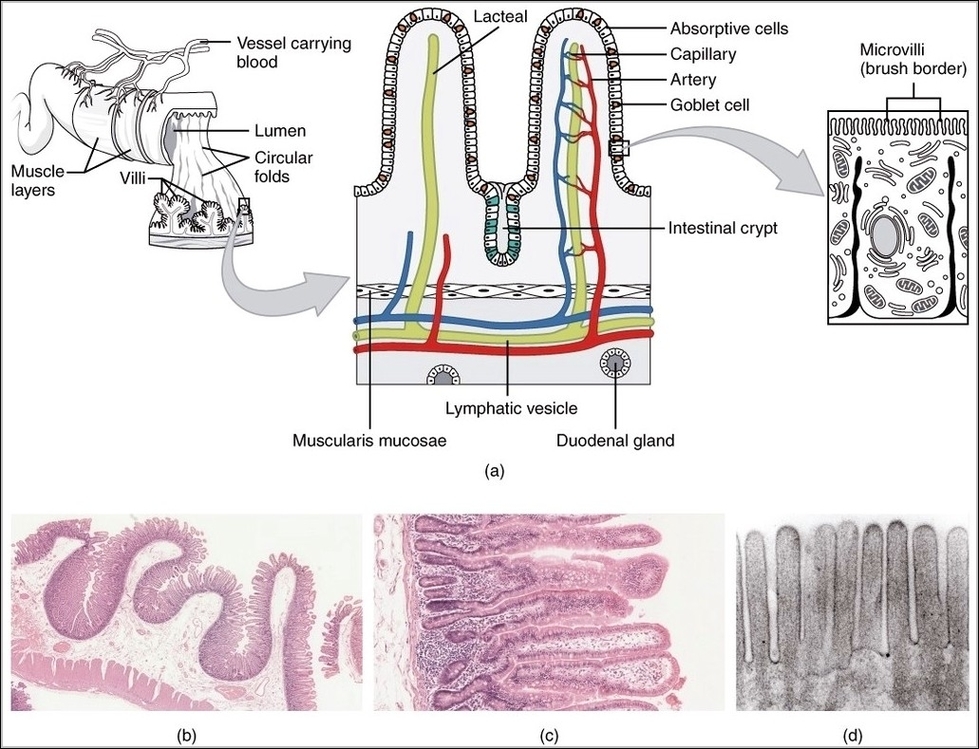
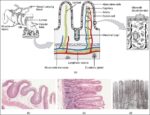
The gastrointestinal tract shares four concentric layers from esophagus to rectum: innermost mucosa with epithelium, lamina propria, muscularis mucosae; submucosa dense connective with glands, vessels, Meissner plexus; muscularis propria inner…
A heart physiology illustration linking action potentials to contraction demonstrates how electrical signals drive each heartbeat. It traces the spread of an action potential through cardiac muscle cells, beginning with…
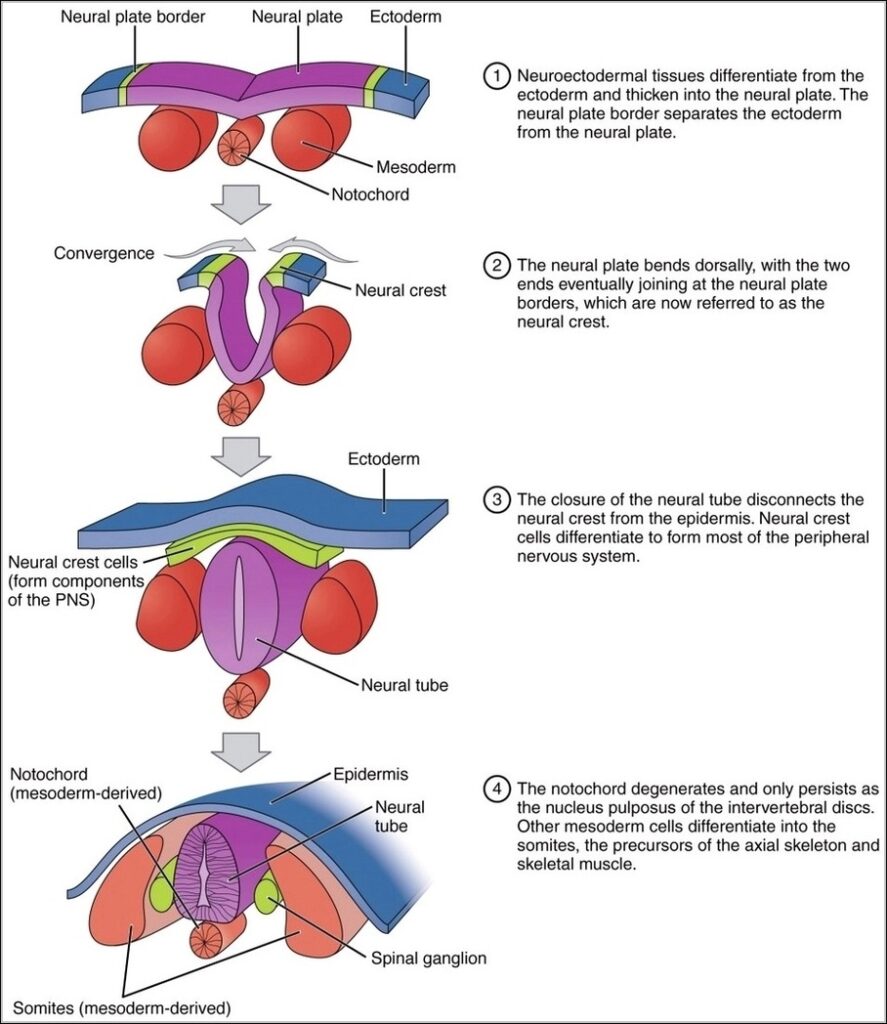
Embryo week 3 is a pivotal period of gastrulation where the primitive streak appears on the epiblast, cells ingress to form mesoderm and definitive endoderm, displacing hypoblast, while the notochord…
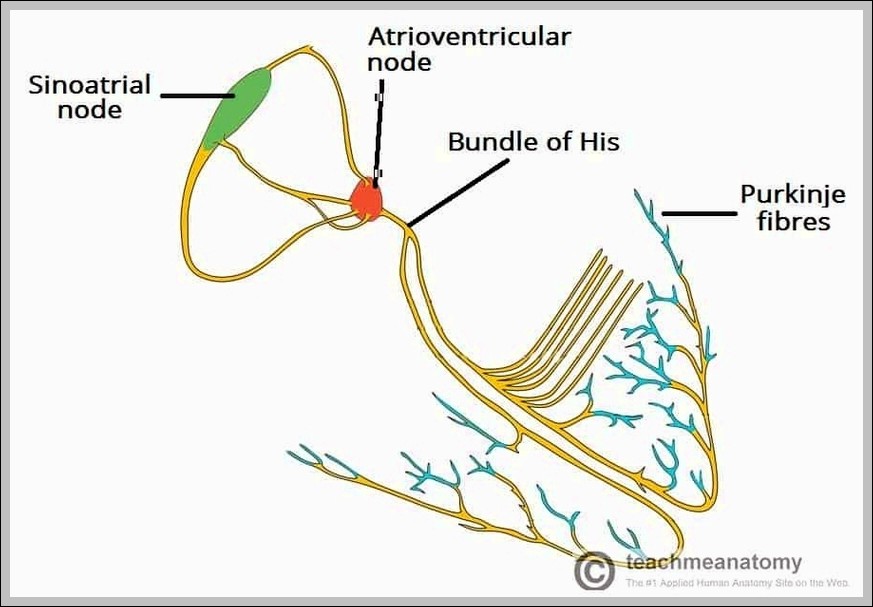
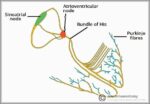
A cardiac conduction diagram maps the hearts electrical system from the sinoatrial node through the atrioventricular node and into the ventricles. It shows how timing and coordination ensure efficient contraction.…
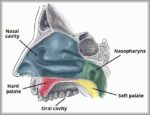
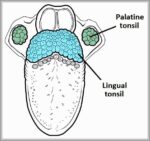
Deglutition, more commonly known as swallowing, is a remarkably coordinated process that moves food or liquid from the mouth to the stomach in three distinct phases while protecting the airway…
The development of the lower respiratory system begins early in embryonic life around week four when a respiratory diverticulum buds off the ventral foregut endoderm, separating from the esophagus and…
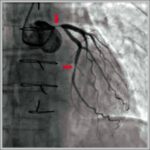
Occluded coronary arteries from atherosclerotic plaque rupture and thrombosis deprive downstream myocardium of oxygen, causing ischemia then infarction if prolonged, with left anterior descending affecting large anterior wall, right coronary…
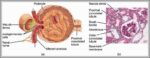
A detailed illustration of blood flow in the kidneys highlights how circulation supports filtration and waste removal. The diagram traces blood entering through the renal artery, branching into smaller vessels,…
Linea nigra is a dark vertical line running from pubis to sternum or navel on pregnant abdomen, resulting from melanocyte-stimulating hormone increase darkening the normally faint linea alba, more pronounced…
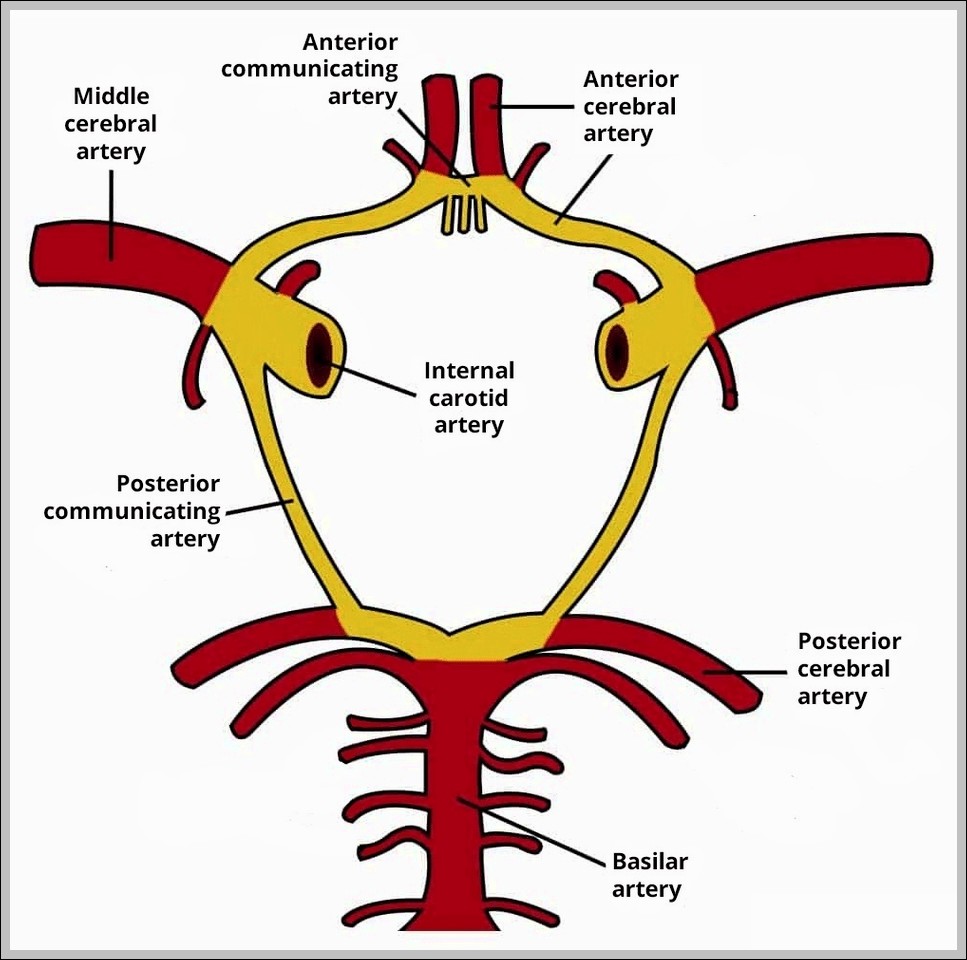
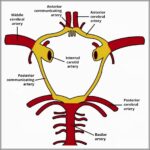
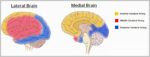
A cerebral circulation map displays arteries supplying the brain, including the carotid arteries and Circle of Willis. The interconnected layout highlights redundancy in blood supply, which helps protect brain tissue…
Before birth, the fetus relies on unique circulatory shortcuts because its lungs are non-functional and it gets oxygen and nutrients from the placenta via the umbilical cord. Oxygen-rich blood enters…
Hyperbaric chambers deliver oxygen therapy by placing patients in pressurized environments, typically 2-3 atmospheres, forcing far more oxygen to dissolve in plasma beyond what hemoglobin carries, useful for decompression sickness…
Mechanical digestion physically breaks food into smaller pieces starting with mastication in mouth, churning in stomach via three muscle layers producing chyme, segmentation in small intestine mixing with enzymes, and…