
The endocrine system acts as the body’s slow but steady chemical messaging network, relying on glands scattered throughout the body that secrete hormones straight into the bloodstream to influence distant target organs. These hormones travel everywhere but only affect cells that have the right receptors, kind of like keys fitting specific locks, which allows precise control over processes like growth, metabolism, reproduction, and stress responses. At the top of the hierarchy sits the hypothalamus in the brain, which monitors the body’s internal environment and sends signals to the nearby pituitary gland to release or inhibit various hormones. The pituitary then directs other glands, such as the thyroid in the neck that controls metabolic rate through thyroxine, the adrenals atop the kidneys that handle stress via cortisol and adrenaline, the pancreas that balances blood sugar with insulin and glucagon, and the gonads that manage sexual development and fertility. Smaller players like the pineal gland regulate sleep with melatonin, while parathyroid glands fine-tune calcium levels. Unlike the nervous systems rapid electrical signals, endocrine effects are often gradual and long-lasting, helping maintain homeostasis over hours, days, or even years.

Endocrine System
Posted inOrgans
Endocrine System
Post navigation
Previous Post
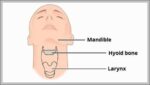 Position of the Hyoid Bone in the Neck Diagram