Embryo week 3 is a pivotal period of gastrulation where the primitive streak appears on the epiblast, cells ingress to form mesoderm and definitive endoderm, displacing hypoblast, while the notochord…
Deglutition, more commonly known as swallowing, is a remarkably coordinated process that moves food or liquid from the mouth to the stomach in three distinct phases while protecting the airway…
Before birth, the fetus relies on unique circulatory shortcuts because its lungs are non-functional and it gets oxygen and nutrients from the placenta via the umbilical cord. Oxygen-rich blood enters…
Hyperbaric chambers deliver oxygen therapy by placing patients in pressurized environments, typically 2-3 atmospheres, forcing far more oxygen to dissolve in plasma beyond what hemoglobin carries, useful for decompression sickness…
Mechanical digestion physically breaks food into smaller pieces starting with mastication in mouth, churning in stomach via three muscle layers producing chyme, segmentation in small intestine mixing with enzymes, and…
An illustration of blood volume loss and homeostasis explains how the body responds to bleeding or dehydration. It shows sensors detecting reduced volume or pressure, triggering responses such as increased…
Lower limb arteries arise from the femoral artery continuing the external iliac, viewed anteriorly showing profunda femoris branching deep into thigh muscles, then popliteal behind the knee giving genicular branches,…
Defibrillators are lifesaving devices designed to deliver an electric shock to the heart when it's in a chaotic, ineffective rhythm like ventricular fibrillation or pulseless ventricular tachycardia during cardiac arrest,…
A genetic inheritance chart for autosomal dominant traits uses family trees to show transmission across generations. Affected individuals appear in each generation, reinforcing how a single gene copy can express…
Embryonic folding converts the flat trilaminar disc into a cylindrical body around weeks 3-4 through head, tail, and lateral folds that pinch the embryo off the yolk sac, incorporating endoderm…
A CPR technique illustration demonstrates correct hand placement, compression depth, and rhythm. Sequential steps show how chest compressions and rescue breaths maintain circulation during cardiac arrest, emphasizing lifesaving timing and…
Digestion of proteins physiology involves not just enzymes but sophisticated regulation to match secretion to dietary intake, starting with the cephalic phase where sight or smell of food stimulates vagal…
Muscular arteries like femoral or radial distribute blood flow via thick tunica media of smooth muscle regulating resistance through vasoconstriction or dilation, elastic arteries like aorta buffer pulsatile flow with…
Venous blood from the body converges into two great veins: the superior and inferior vena cava. Head and neck veins drain into the brachiocephalic veins, which merge into the superior…
The common iliac arteries branch from abdominal aorta bifurcation at L4, each dividing into external iliac supplying lower limb via femoral and internal iliac feeding pelvis. Internal branches include superior…
The fetal circulatory system is beautifully adapted to bypass the lungs and liver while maximizing placental exchange. Blood leaves the fetus through two umbilical arteries branching from the iliac arteries,…
Major systemic arteries begin with ascending aorta giving coronaries, arch branching brachiocephalic, left common carotid, left subclavian, then descending thoracic supplying intercostals, abdominal continuing as celiac, mesenteric, renal, gonadal, iliacs,…
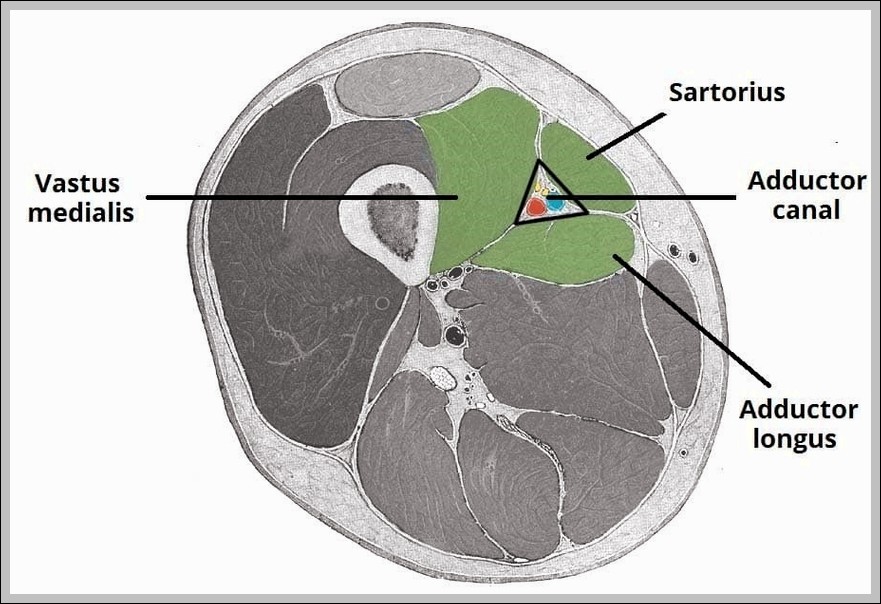
The arterial supply to lower limbs forms a continuous chain with branches providing redundancy, starting with common femoral dividing into superficial femoral through adductor canal and profunda femoris laterally, then…