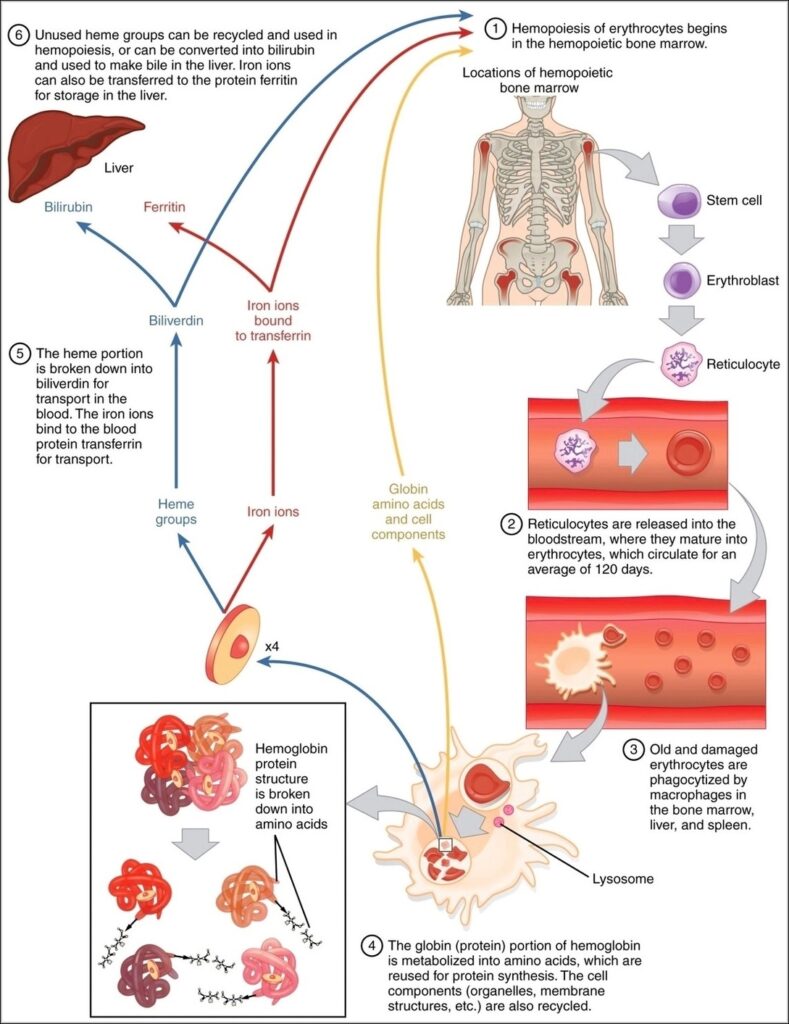
Red blood cells, or erythrocytes, have a remarkably consistent lifespan of about 120 days as they circulate through the body delivering oxygen and picking up carbon dioxide. They originate in…
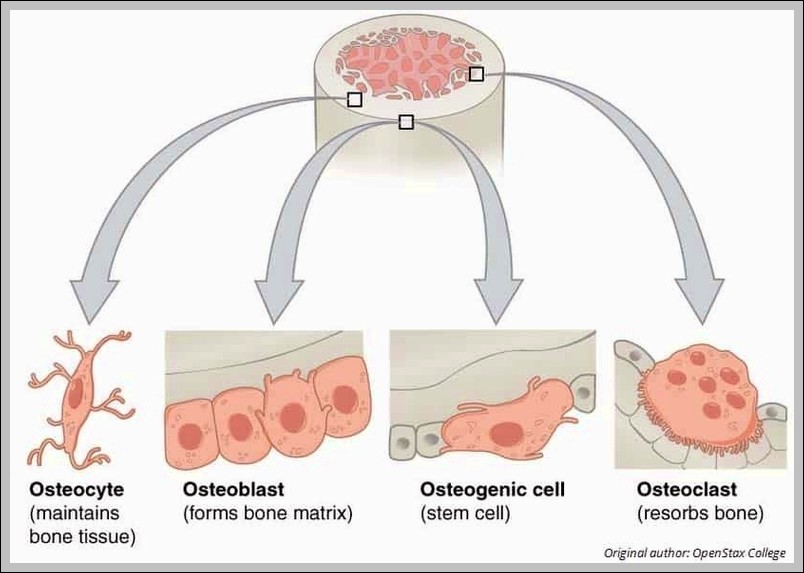
The Cellular Components of Bone diagram zooms to the microscopic level with osteoblasts building matrix, osteocytes living inside lacunae, osteoclasts breaking bone down, and the osteon units with their central…
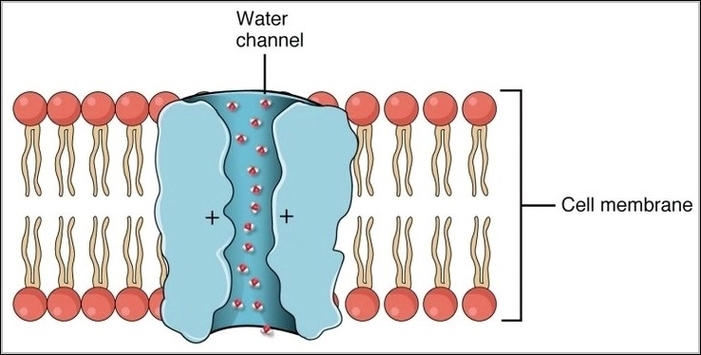
A membrane-level illustration of an aquaporin water channel shows how water crosses cell membranes efficiently. The protein channel is embedded in the lipid bilayer, with water molecules passing single file…
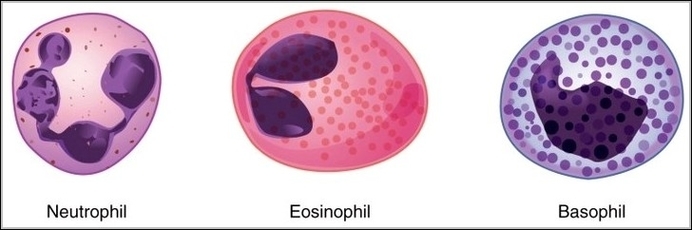
Granular leukocytes, or granulocytes, are white blood cells with distinctive cytoplasmic granules and lobed nuclei, comprising neutrophils, eosinophils, and basophils. Neutrophils, the most abundant, rush to infection sites to phagocytose…
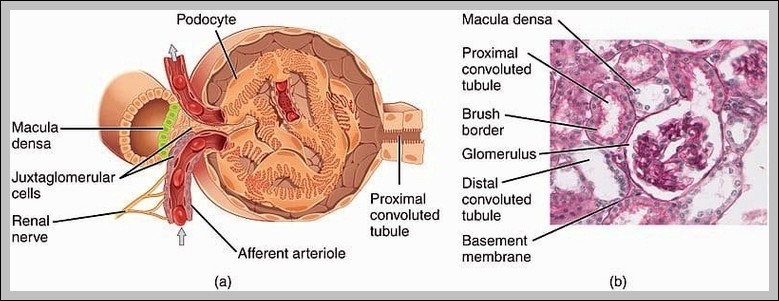
The glomerulus is a tuft of fenestrated capillaries inside Bowmans capsule, forming the filtration unit of the nephron. It receives blood from the afferent arteriole, filters plasma (excluding large proteins/cells)…
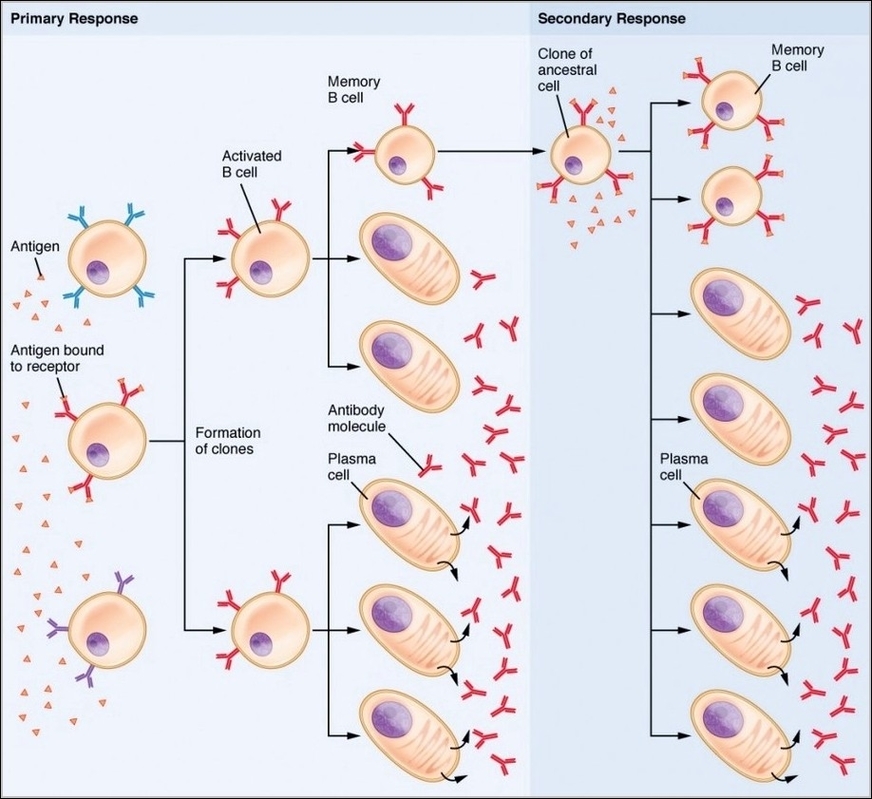
An immune system diagram illustrating clonal selection of B cells explains how specific antibodies are produced. It shows a diverse population of B cells, each with a unique receptor, and…
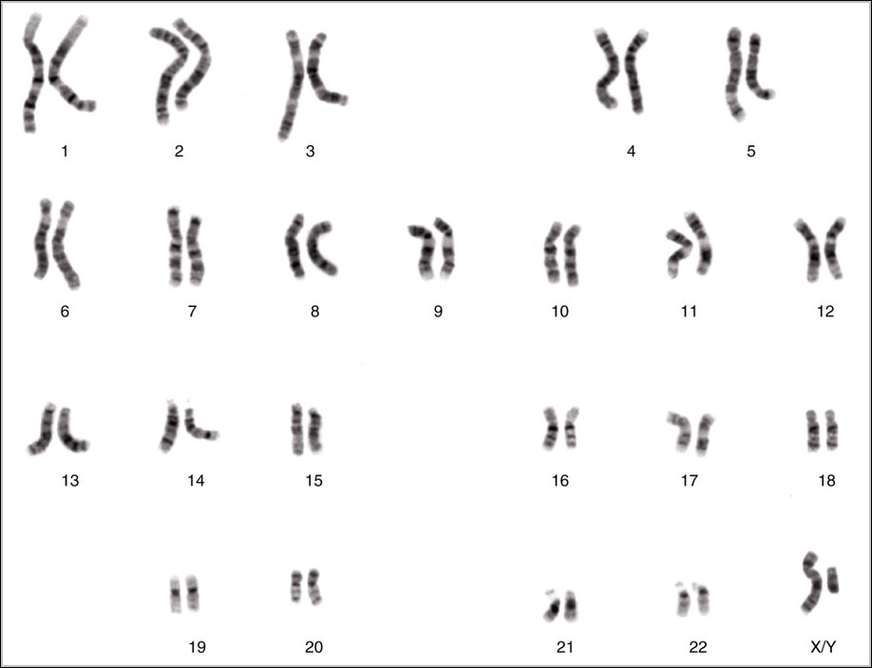
Male chromosomes consist of 46 total, including 22 autosomal pairs and one X and one Y sex chromosome determining maleness via SRY gene triggering testicular development, with Y carrying few…
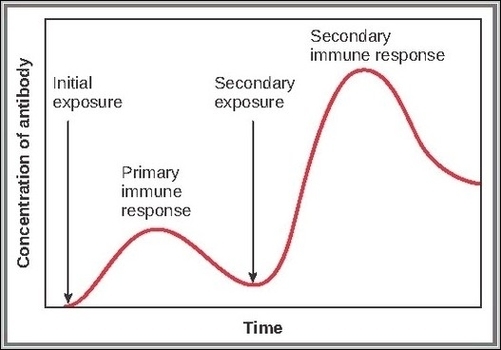
Primary antibody response upon first antigen encounter is slow, IgM appearing days 4-10 from naive B cells activated in nodes or mucosa, peaking low then declining, while secondary anamnestic from…
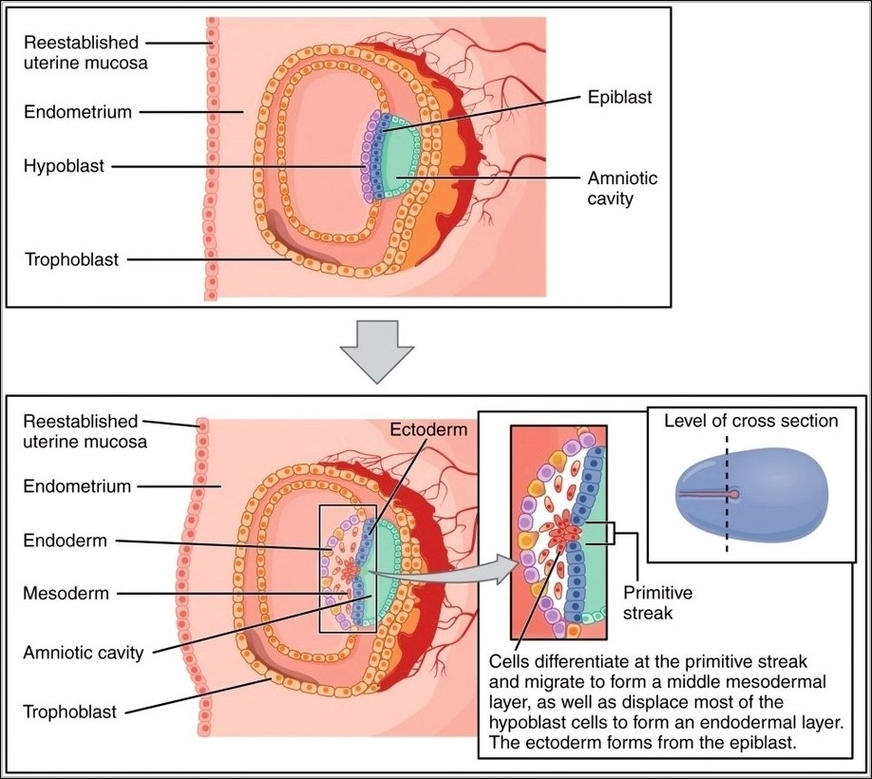
During early embryonic development, the blastula reorganizes into three primary germ layers that give rise to all tissues and organs. The outer ectoderm forms skin, hair, nails, and the nervous…
A metabolic pathway diagram comparing catabolic and anabolic processes shows how the body balances breakdown and building. Catabolic pathways are illustrated breaking large molecules into smaller units while releasing energy,…
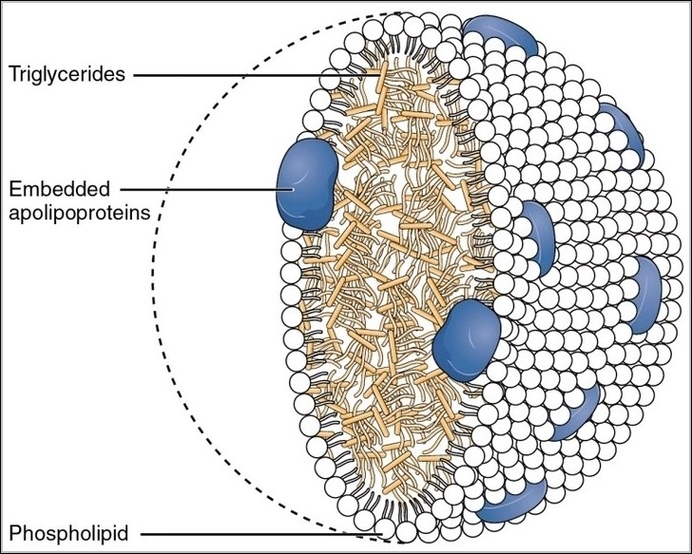
A lipid transport diagram focusing on chylomicrons shows how dietary fats move through the body after digestion. Large spherical particles are illustrated carrying triglycerides, cholesterol, phospholipids, and fat-soluble vitamins within…
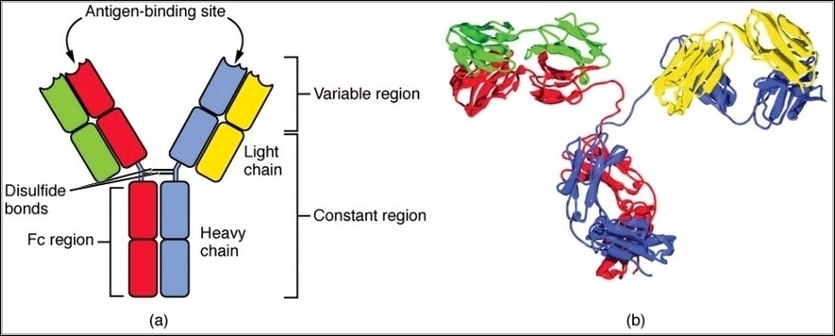
IgG antibodies consist of four polypeptide chains: two identical heavy chains and two identical light chains linked by disulfide bonds into a Y-shaped molecule. The heavy chains determine the classgamma…