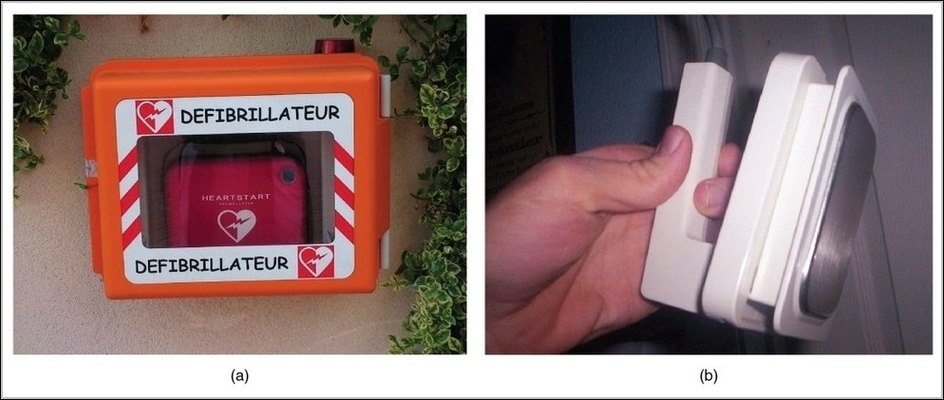
Defibrillators are lifesaving devices designed to deliver an electric shock to the heart when it’s in a chaotic, ineffective rhythm like ventricular fibrillation or pulseless ventricular tachycardia during cardiac arrest, essentially resetting the electrical activity so the heart can hopefully resume a normal beat. The process starts with placing adhesive pads or paddles on the chest in specific positionsone typically high on the right side and the other on the lower leftto allow current to flow through the heart muscle; modern biphasic defibrillators adjust the shock waveform for better efficiency and less damage. Automated external defibrillators, or AEDs, make this accessible even to bystanders by analyzing the rhythm automatically and providing voice instructions on when to shock and when to perform CPR, emphasizing the critical window where survival chances drop about 10% per minute without intervention. The shock depolarizes a large portion of the heart simultaneously, interrupting the erratic firing and giving the sinoatrial node a chance to take over again, highlighting why quick access to defibrillators in public places has dramatically improved outcomes in sudden cardiac arrests.
Defribillators
Posted inMedical
Defribillators
Post navigation
Previous Post
 Autosomal Dominant Inheritance
Next Post
Catabolic and Anabolic Pathways