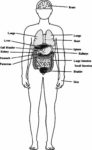
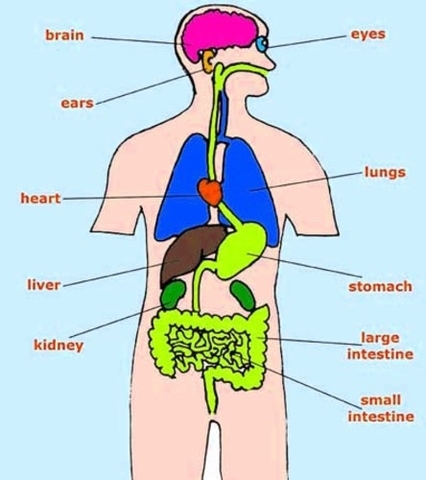
The human body is a complex system of organs, each with a specific structure and function. Here’s an overview of some of the major internal organs:
1. Brain: The brain is the body’s control center, forming the core of the central nervous system. It creates, sends, and processes nerve impulses, thoughts, emotions, physical sensations, and more.
2. Heart: The heart is the most important organ of the circulatory system, which helps deliver blood to the body. It has four chambers: two upper chambers called atria and two lower chambers called ventricles.
3. Lungs: The lungs are the primary organs of the respiratory system, responsible for gas exchange between the body and the environment.
4. Liver: The liver is a large organ that plays a crucial role in digestion by producing bile, which helps break down fats into fatty acids.
5. Kidneys: The kidneys are part of the urinary system and are responsible for filtering waste products from the blood.
6. Stomach: The stomach is a hollow muscular sac that plays a major role in digestion. It secretes gastric juice that helps break down food.
7. Pancreas: The pancreas is both an endocrine and digestive organ. It produces hormones like insulin and glucagon and also secretes pancreatic juice that aids in digestion.
8. Spleen: The spleen is part of the lymphatic system and plays a role in both lymphatic and immune functions.
9. Thyroid: The thyroid is an endocrine organ that regulates the body’s metabolic rate by producing thyroid hormones.
10. Testicles and Ovaries: These are the primary reproductive organs in males and females, respectively. They are responsible for producing sex cells and hormones.
These organs work together in organ systems to maintain the body’s homeostasis. For example, the nervous system supports the brain, and the circulatory system supports the heart. Each organ is made up of a group of tissues, giving it a specific shape and function.
It’s important to note that the human body contains five organs that are considered vital for survival: the brain, heart, lungs, kidneys, and liver. A problem with any of these organs can quickly become life-threatening.
In conclusion, the human body is a marvel of biological engineering, with each organ playing a crucial role in maintaining overall health and function. Understanding these organs and their functions is key to understanding human health and disease..