The human body is a complex and intricate system, composed of many different types of cells that together create tissues, subsequently forming organs and organ systems. These systems work in harmony to ensure homeostasis and the viability of the human body.
1. Head and Neck: The head houses the brain, the control center of the body. It also contains vital sensory organs such as the eyes, ears, and nose. The neck, while often overlooked, plays a crucial role in supporting the head and housing the throat.
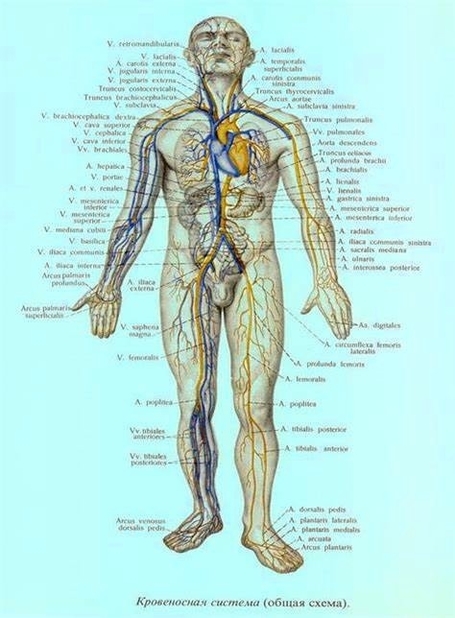
2. Torso: The torso includes the thorax and abdomen. The thorax contains the heart and lungs, which are part of the cardiovascular and respiratory systems respectively. The abdomen houses many essential organs such as the stomach, liver, and intestines, which are part of the digestive system.
3. Arms and Hands: Arms and hands are critical for physical interaction with the environment. They contain bones, muscles, nerves, and blood vessels that work together to provide strength, flexibility, and sensation.
4. Legs and Feet: Legs and feet provide mobility and balance. Like the arms and hands, they consist of bones, muscles, nerves, and blood vessels.
5. Internal Organs: The human body’s internal parts, such as the lungs, heart, and brain, are enclosed within the skeletal system and are housed within the different internal body cavities. These organs perform various functions that are vital for survival and well-being.
6. Cells: The body contains trillions of cells, the fundamental unit of life. These cells, along with non-cellular components, give the body its structure and function.
7. Systems: The body comprises several systems, including the cardiovascular, digestive, endocrine, nervous, respiratory, and skeletal systems. Each system has a specific role but works in conjunction with others to maintain overall body function.
8. Composition: The human body is composed of elements including hydrogen, oxygen, carbon, calcium, and phosphorus. These elements reside in trillions of cells and non-cellular components of the body.
In conclusion, the human body is a marvel of biological engineering, with each part playing a crucial role in maintaining the body’s overall function and health. Understanding the body’s anatomy and physiology is essential for medical professionals and beneficial for individuals to make informed health decisions.