Human Body Outline Study
The human body is a complex biological machine made of various systems that work together to sustain life. Studying the human body outline can provide a comprehensive understanding of its structure and functions. Here’s an overview:
1. Cellular Composition: The human body is composed of living cells and extracellular materials organized into tissues, organs, and systems.
2. Body Systems: The body comprises several systems, each performing specific functions. These include:
– Musculoskeletal System: Provides mechanical support, posture, and locomotion.
– Cardiovascular System: Transports oxygen, nutrients, and hormones throughout the body and eliminates cellular metabolic waste.
– Respiratory System: Facilitates the exchange of oxygen and carbon dioxide between the body and air, regulates acid-base balance, and aids in phonation.
– Nervous System: Initiates and regulates vital body functions, sensation, and body movements.
– Digestive System: Mechanically and chemically degrades food for absorption into the body and use as energy.
– Urinary System: Filters blood and eliminates unnecessary compounds and waste by producing and excreting urine.
– Endocrine System: Produces hormones to regulate a wide variety of bodily functions.
– Lymphatic System: Drains excess tissue fluid and defends the body immunologically.
– Reproductive System: Produces reproductive cells and contributes to the reproduction process.
– Integumentary System: Protects the body surface physically, receives sensory input, and synthesizes vitamins.
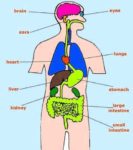
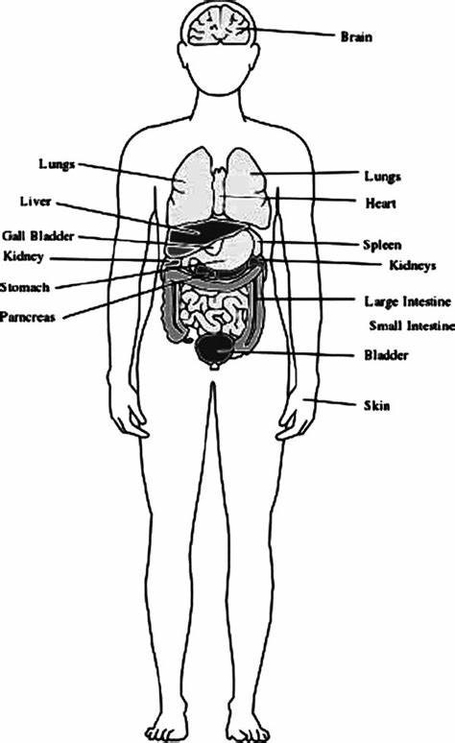
3. Body Outlines and Diagrams: Body outline diagrams or templates are useful tools for studying the human body. They can help visualize the locations of various organs and body parts, aiding in memorization and understanding.
4. Interactions and Homeostasis: The body’s organ systems interact with each other, and feedback mechanisms maintain homeostasis.
5. Development and Aging: The body undergoes various stages of development, from conception through old age.
6. Biochemical Constituents: The body’s biochemical constituents include proteins, carbohydrates, lipids, nucleic acids, vitamins, and hormones.
tudying the human body outline provides a holistic understanding of human anatomy and physiology. It helps connect the dots between cellular functions and the overall functioning of the human body.