Brain and Mental Disorders
Mental disorders, also known as psychiatric disorders, are conditions that affect a person’s thinking, feeling, behavior, or mood. These disorders can be occasional or long-term (chronic) and affect someone’s ability to relate to others and function each day.
Types of Mental Disorders
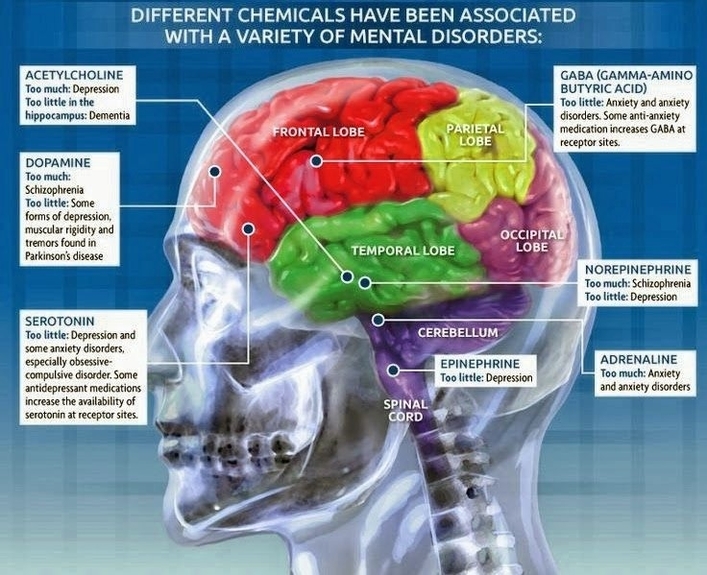
1. Depression: This is a common and serious medical illness that negatively affects how you feel, the way you think, and how you act. It causes feelings of sadness and/or a loss of interest in activities once enjoyed.
2. Anxiety Disorders: People with anxiety disorders frequently have intense, excessive, and persistent worry and fear about everyday situations. These feelings of anxiety and panic interfere with daily activities, are difficult to control, are out of proportion to the actual danger, and can last a long time.
3. Schizophrenia: This is a serious mental disorder in which people interpret reality abnormally. Schizophrenia may result in some combination of hallucinations, delusions, and extremely disordered thinking and behavior that impairs daily functioning.
4. Addiction: This is a complex condition, a brain disease that is manifested by compulsive substance use despite harmful consequences.
5. Autism: Autism spectrum disorder impacts the nervous system and affects the overall cognitive, emotional, social, and physical health of the affected individual.
Causes of Mental Disorders
Mental disorders are disorders of the brain in the sense that the dysfunctional thoughts and behaviors they involve are enabled by the brain. However, the fact that particular brain abnormalities are associated with these disorders does not necessarily mean that they cause the development of the disorders.
Diagnosis and Treatment
Diagnosis of mental disorders involves assessing symptoms through interviews, psychological testing, and brain imaging like MRI or CT scans. Treatment varies and might include psychotherapy, medication, or brain stimulation therapies.
Recent Developments
cientists at Johns Hopkins Childrens Center say that a simple blood test could potentially detect changes associated with mental health diseases by analyzing genetic material found in human blood.
Conclusion
Mental disorders are complex and can take many forms. They are influenced by a number of factors, including genetics, environment, and lifestyle. With the right treatment, people with mental disorders can lead full and rewarding lives.