Major Muscles of the Human Body
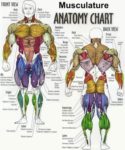
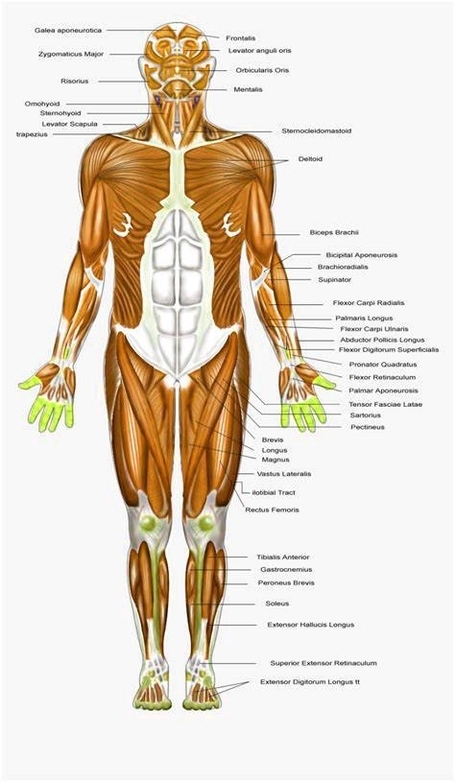
The human body is a complex system that comprises more than 600 muscles. These muscles are broadly divided into three types:
1. Skeletal Muscle: These are voluntary and striated muscles that attach to bones and control conscious movement. They make up between 30 to 40% of your total body mass. Examples include your shoulder muscles, hamstring muscles, and abdominal muscles.
2. Smooth Muscle: These are involuntary and non-striated muscles found in the hollow organs of the body, such as the stomach, intestines, and around blood vessels. They help with functions like digesting food and getting rid of waste.
3. Cardiac Muscle: This is involuntary and striated muscle that makes up the mass of the heart and is responsible for the rhythmic contractions of that vital pumping organ.
Muscles perform two types of movements:
– Voluntary Movements: Actions you control, like flicking your thumb to scroll through this article on your phone and sprinting around a track.
– Involuntary Movements: Actions that happen automatically without you thinking about them, like your heart beating and muscles in your chest and back moving your ribs when you breathe.
Different kinds of muscles help with various functions:
– Vision and hearing.
– Breathing, speaking, and swallowing.
– Digesting food and getting rid of waste.
– Moving, sitting still, and standing up straight.
– Pumping blood through your heart and blood vessels.
– Giving birth.
Muscles also store and release energy your body uses as part of your metabolism. Your muscles are made of thousands of small fibers woven together. These fibers stretching and pressing together is what moves your organs or body.
In conclusion, muscles are integral to almost every function in the human body. From voluntary actions like walking to involuntary actions like the beating of our hearts, muscles are the driving force behind our every move.