The development of the lower respiratory system begins early in embryonic life around week four when a respiratory diverticulum buds off the ventral foregut endoderm, separating from the esophagus and branching into left and right lung buds surrounded by splanchnic mesoderm. Over the following weeks, it progresses through distinct stages: the pseudoglandular phase sees extensive bronchial tree branching like an upside-down tree up to terminal bronchioles, the canalicular phase vascularizes the future gas exchange areas with capillaries approaching developing airways, the saccular phase expands potential air spaces and starts surfactant production by type II alveolar cells to reduce surface tension at birth, and finally the alveolar phase matures millions of alveoli continuing even after birth into childhood. Factors like fibroblast growth factors drive the branching morphogenesis, and the trachea develops cartilage rings for support while the larynx forms from branchial arches; disruptions here can cause congenital anomalies like pulmonary hypoplasia, underscoring how this intricate timeline transforms a simple tube into organs capable of independent breathing.
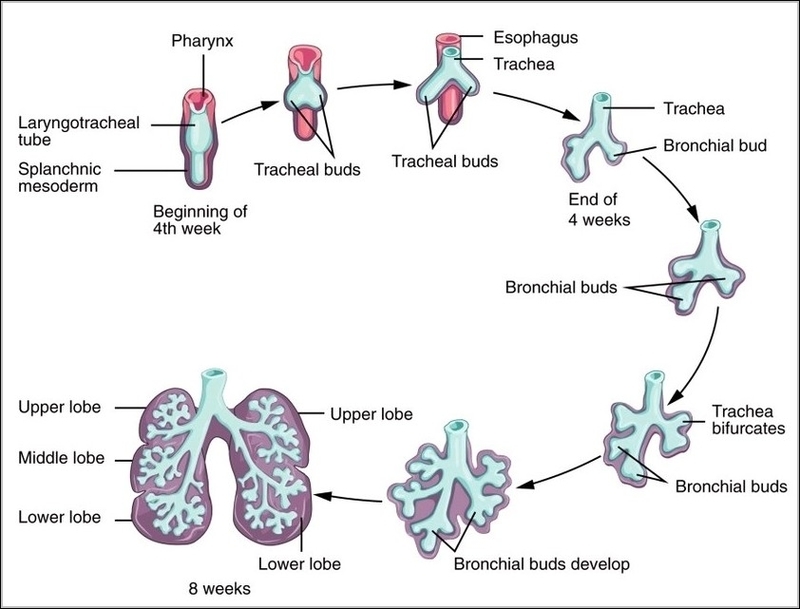
Development of Lower Respiratory SystemN
Posted inOrgans
Development of Lower Respiratory SystemN
Post navigation
Previous Post
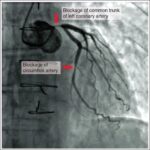 Occluded Coronay Arteries
Next Post
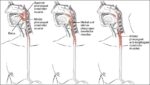
DeglutitionN