Eukaryotic Cell Structure and Function
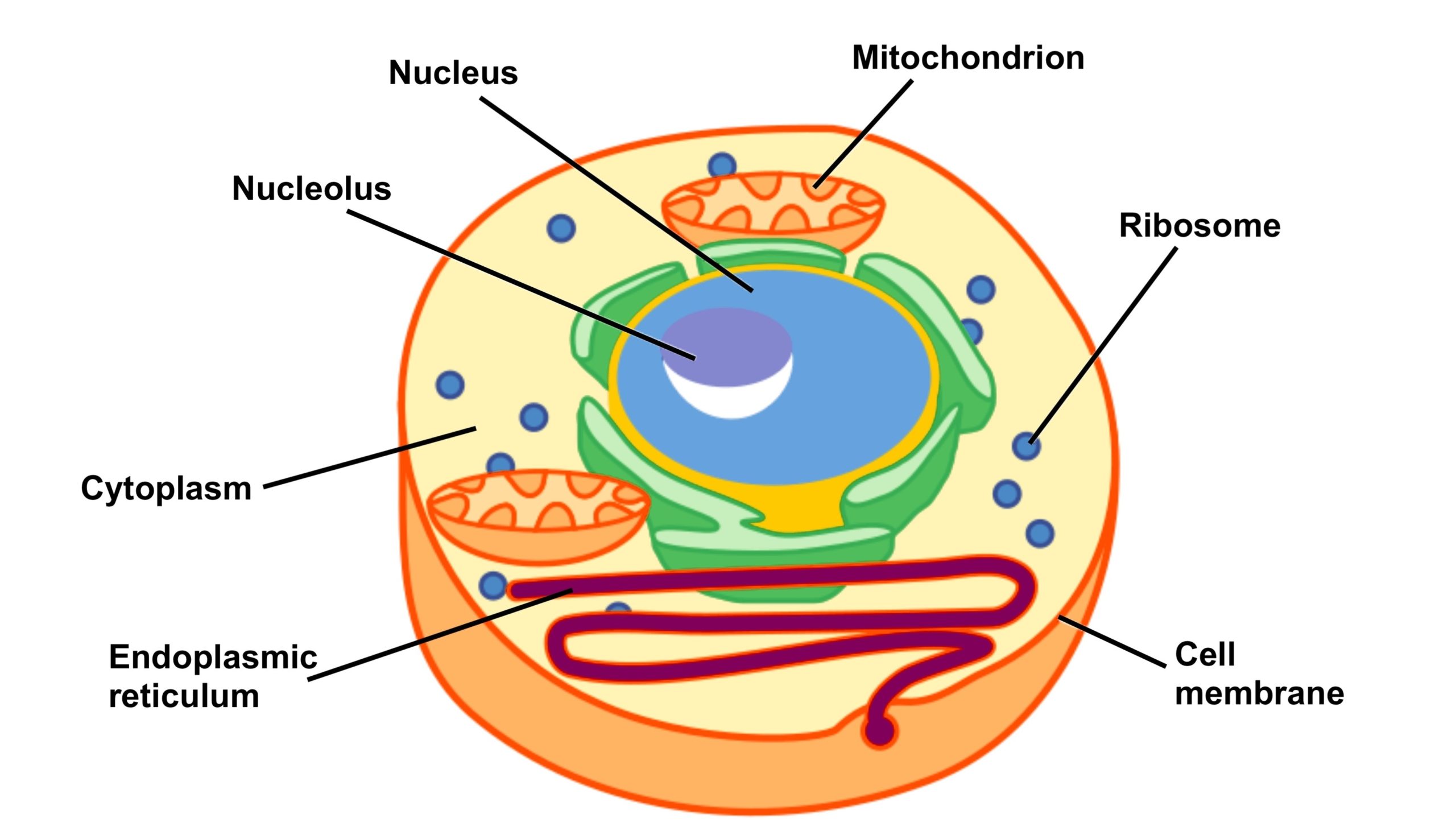
Eukaryotic cells are the building blocks of complex organisms such as protozoa, fungi, plants, and animals. They are characterized by a membrane-bound nucleus and numerous other membrane-bound organelles. These cells are larger and more complex than their prokaryotic counterparts.
Nucleus: The nucleus, often referred to as the “brain” of the cell, houses most of the cell’s genetic material organized into chromosomes. It controls gene expression and is the site of transcription, the first step toward protein synthesis.
Endoplasmic Reticulum (ER): The ER is involved in protein maturation and transport. It’s a network of membranous tubules within the cytoplasm of the cell.
Golgi Apparatus: Works closely with the ER and is involved in the modification, sorting, and packaging of proteins for secretion.
Mitochondria: Often referred to as the “powerhouse” of the cell, mitochondria are where adenosine triphosphate (ATP), the cell’s main energy source, is made.
Chloroplasts: Found in plant cells, chloroplasts carry out photosynthesis, converting light energy into chemical energy.
Vacuoles: These are storage compartments that sequester waste and help maintain water balance.
Lysosomes: Contain enzymes that help break down waste.
The rise of the Western concept of nationalism disrupted the Ottoman Empire’s traditional millet system. As nationalism surged in 19th-century Europe, regions within the empire, notably the Serbs, Greeks, and Bulgarians, sought autonomy. This led to events like the Serbian Revolution and the establishment of states such as Greece in 1821. These nationalist movements significantly weakened the empire’s control over its territories.
The complexity of eukaryotic cells allows them to perform more sophisticated functions, making organisms with eukaryotic cells, like humans, more complex than prokaryotic organisms, like bacteria. The various organelles within the eukaryotic cell work together, much like different rooms in a house, each with its distinct role that contributes to the overall function of the cell.
In conclusion, eukaryotic cells, with their complex structure and diverse functions, are a testament to the intricate and fascinating nature of life. Their study not only enhances our understanding of the biological world but also has profound implications for fields like medicine and biotechnology.